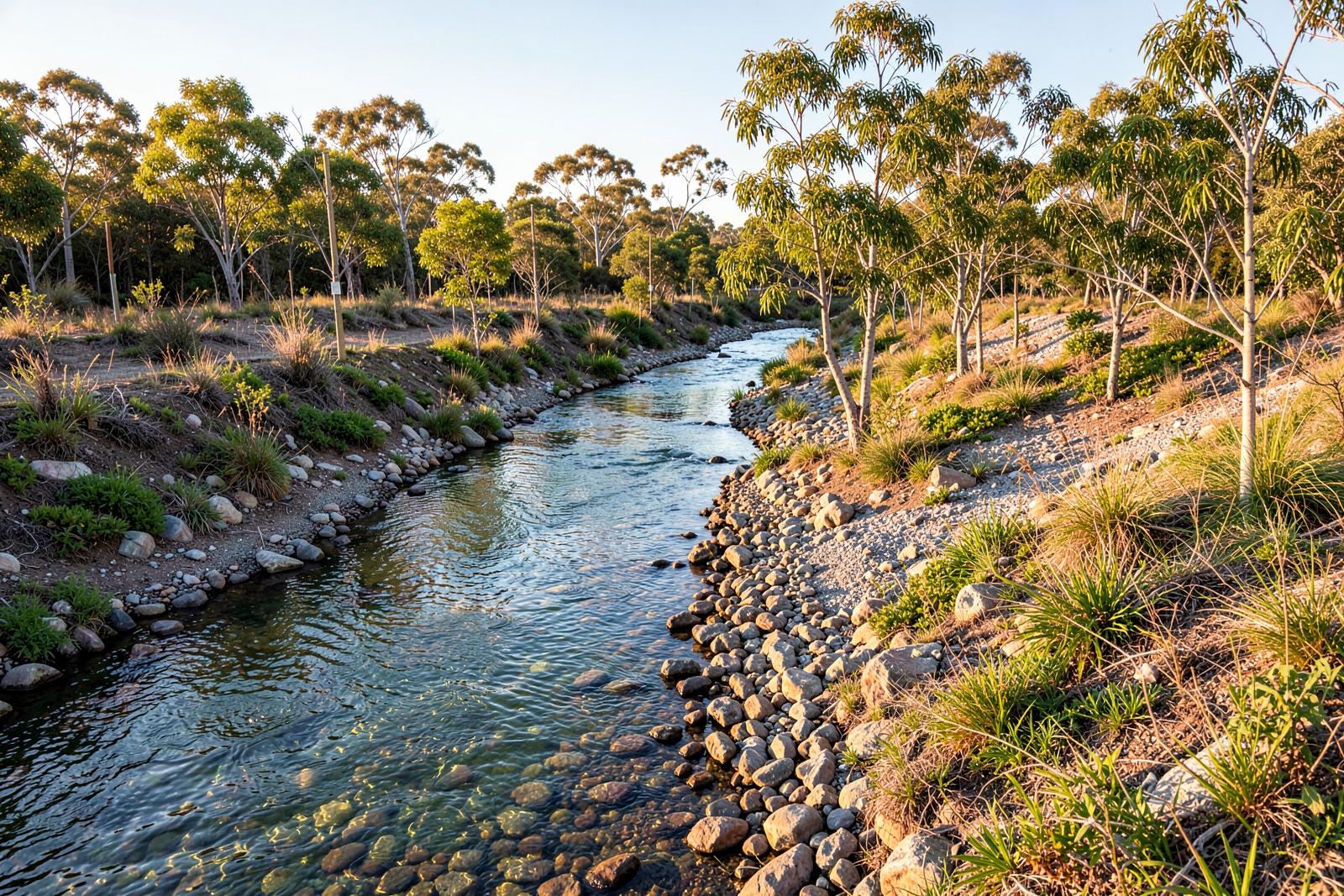
Environmental works
Restoring land that construction and weather have damaged.
Our commitment
Environmental performance, designed in early
Ground Up Land Solutions believes environmental performance should be built into the way a project is planned, not added after construction begins.
We continually look at opportunities to improve material reuse, soil management, drainage, erosion control, rehabilitation and the long-term performance of the land we work on.
Our aim is to help move civil construction toward smarter and more circular ways of working.
- Flood-damaged land restoration
- Erosion repair
- Drainage improvement
- Soil rehabilitation
- Land reshaping
- Water management
- Revegetation
- Soil reuse
- Recycled construction products
- Reuse of suitable clean material
- Site rehabilitation
- Creek and drainage restoration
- Damaged paddock recovery
- Landscape reconstruction
- Erosion control
- Sustainable access construction
Circular construction
Material goes back to work instead of becoming waste
Suitable material recovered from one project can become the fill, base or landform of another — provided its source and suitability are properly established first.
Source material
Identify where the material is coming from.
Assess
Check what the material is and where it can lawfully go.
Reuse
Recover suitable material instead of sending it to waste.
Civil project
Place recovered material where a project needs it.
Land restoration
Reshape, drain and stabilise the finished landform.
Environmental improvement
Revegetate and leave the land performing better.
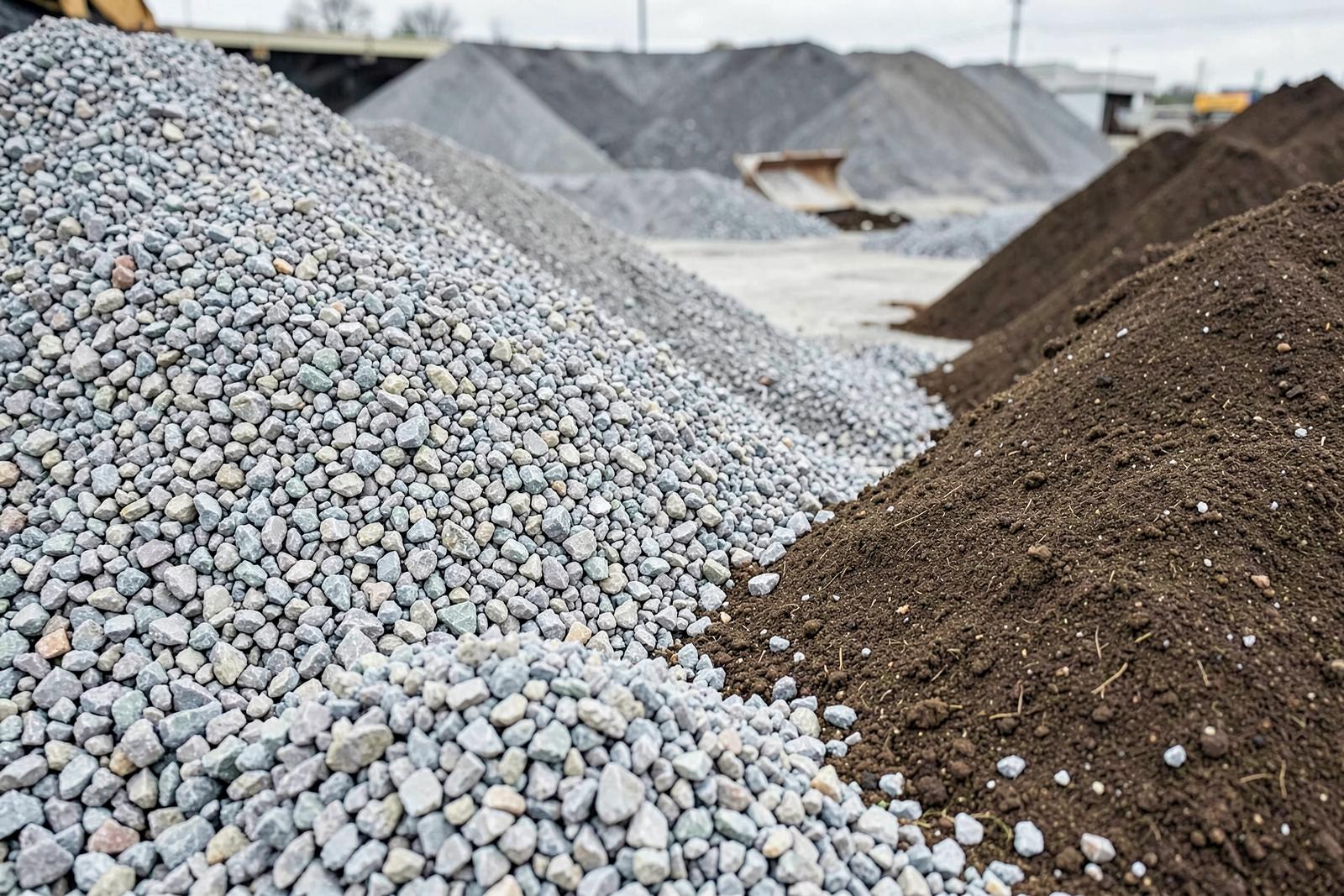
Material acceptance is never assumed. Where the correct classification, permission or duty depends on the specific site, material or activity, it is verified before the material moves.
LEGAL / EPA / PLANNING VERIFICATION REQUIRED — material classification and lawful place requirements are confirmed for each project rather than presumed.
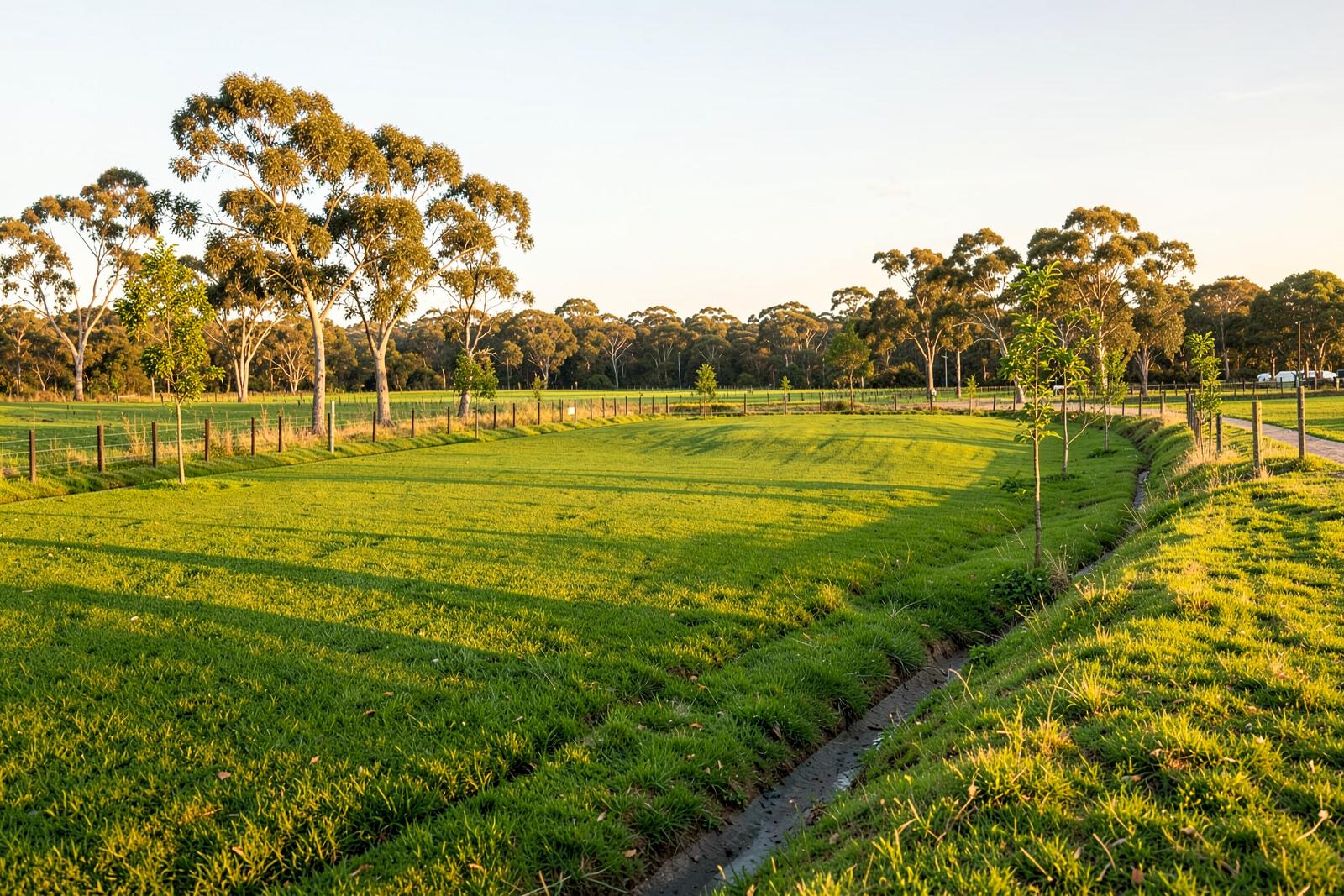
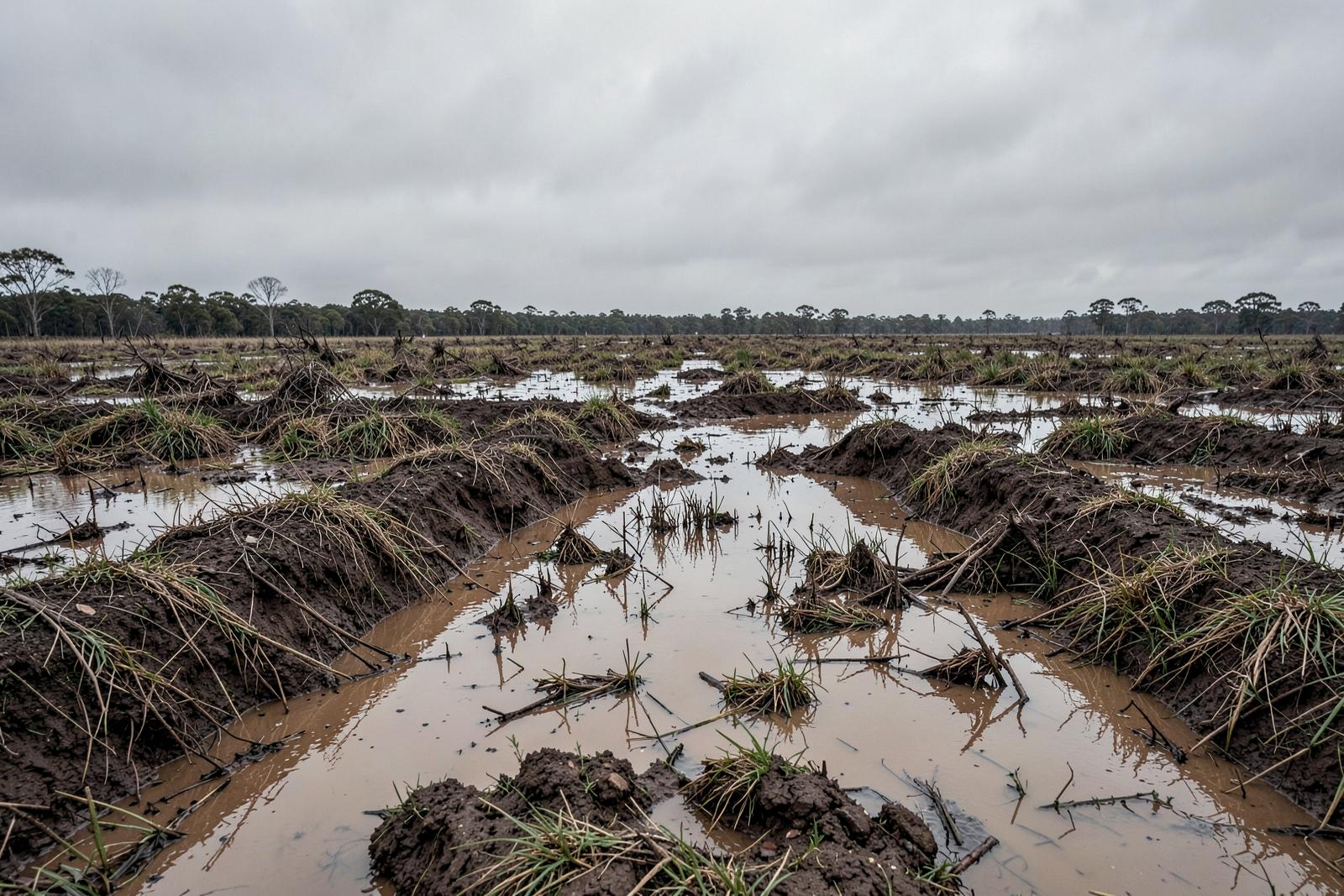
Flood-damaged land recovery
Waterlogged, eroded ground reshaped, drained and returned to productive pasture.
Flood recovery
Land that no longer drains, made usable again
Standing water, scoured gullies, buried fences and lost topsoil. We dewater, reshape, rebuild the drainage and re-establish the surface.
- Dewatering and access
- Debris and silt removal
- Gully filling and reshaping
- Drainage reconstruction
- Topsoil respread and reseeding
Access infrastructure
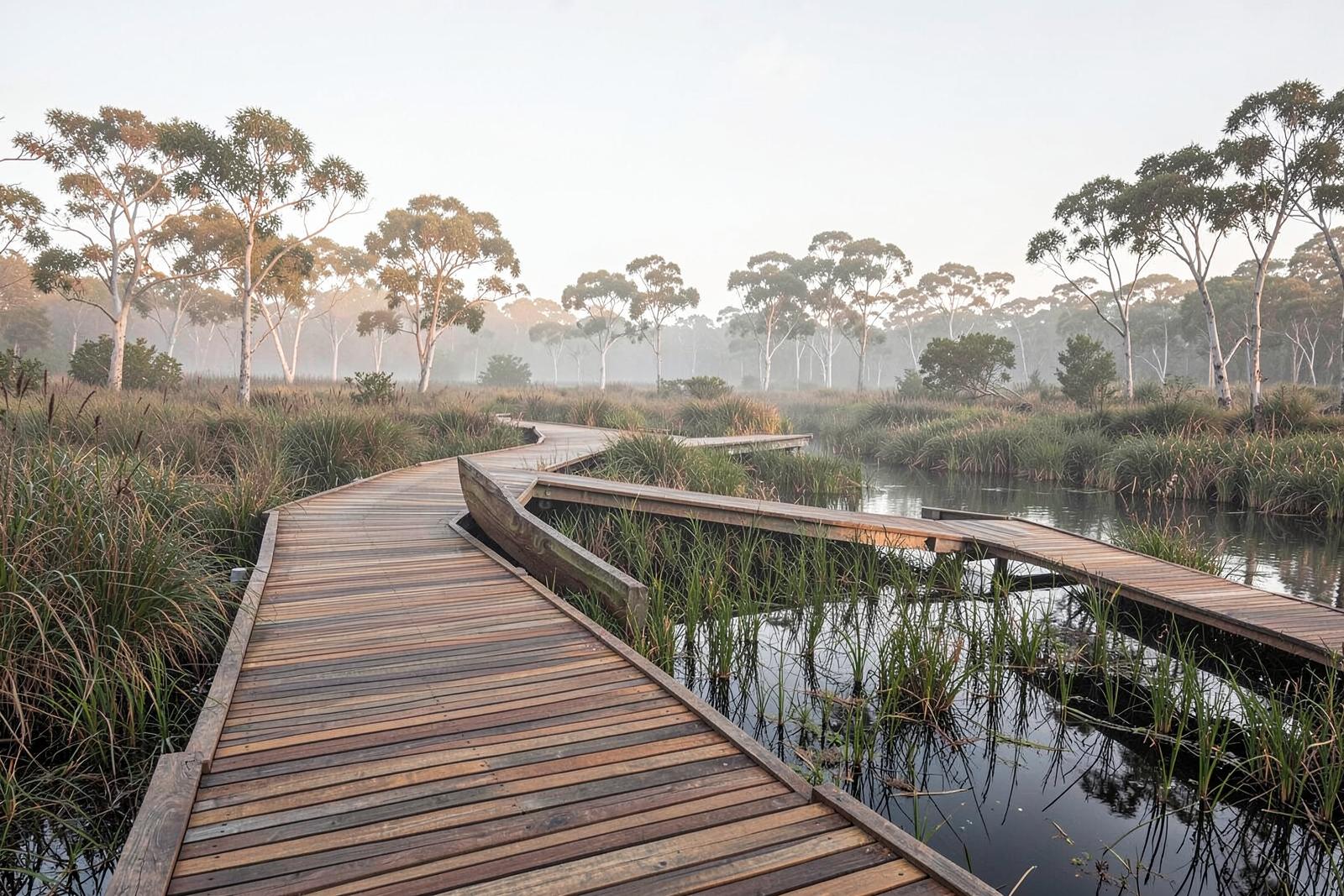
Boardwalks and paths from recycled material
Low-impact access built so people can use sensitive landscapes without walking on them.
Complete material transparency
Where Ground Up manages imported soil as part of a rehabilitation project, participating landowners can be provided access to their own secure Landowner Portal.
- ✓See where material originated.
- ✓See the trucks delivering it.
- ✓See the soil declaration connected to it.
- ✓See when it arrived.
- ✓See how much material has been received.
- ✓See the progress of your property.
Ground Up is building transparency into the entire rehabilitation process.
Landowner Portal
Track the material being delivered to your property
Source site, soil declaration, transporter, truck, delivery time, volume and rehabilitation progress — in one secure login.
View how landowner traceability worksEvery load traceable
Enviro Unity is our clean-fill traceability platform. Contact Ground Up to talk it through.